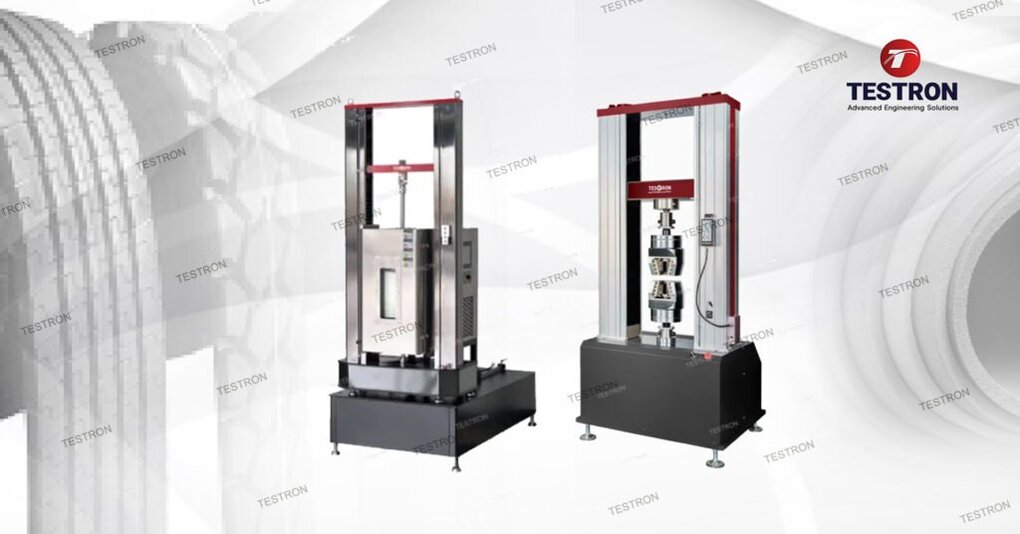
Overview: This blog walks readers through what to ask suppliers about key highlights, standards, prices, and services. By following these questions, labs and businesses can compare UTMs confidently, avoid hidden costs, and secure a reliable, future‑ready testing solution at Testron.
Introduction: The Utilities of a Universal Testing Machine in France
The finest quality control tool is not that hard to find unless you reach out to the wrong manufacturer and supplier. In the French market, the demand for accuracy, reliability, and advanced functionality is higher.
So, having a universal testing machine is necessary to install before producing any item on a larger scale. Choosing a universal testing machine in France starts with a clear understanding of what you want to test today and tomorrow. Different industries place very different demands on a universal material testing machine.
The R&D teams and manufacturing sites care about maximum clarity that makes the task easier by using Testron’s finest UTMS. Among different Universal Testing Machine manufacturers, it is time to identify which options truly fit your roadmap.
For a detailed visual experience on the UTMs of Testron, click here!
Only shortlist universal tensile test machines that cover at least 90% of your current and planned applications. For advanced details, feel free to reach Testron today!
Key Buying Points Of the Universal Testing Machine In France To Highlight
Industries take care of many machines and tools after purchasing them. However, it is important to take the right step before purchasing a dependable benchtop universal testing machine. At Testron, you will find advanced universal tensile testing machines that help many labs and manufacturing sectors to an extensive level.
However, certain key steps require highlighting, such as:
| Key Points | Highlights |
| Define load requirements realistically |
|
| Check stiffness and crosshead travel |
|
| Compare benchtop vs floor‑standing frames |
|
| Align with long‑term strategy |
|
| Consider lab constraints in France |
|
Sketch your largest, heaviest test specimen and its maximum load. Request a free product demo and ask each Universal Testing Machine supplier to recommend whether a benchtop or floor‑standing universal material testing machine is the best fit.
Compliance With Universal Testing Machine Standards
For any industry, buying a certified UTM machine is important as it controls every requirement easily. When buying a universal testing machine in France, you must ensure that the system and its software can implement all relevant ISO and ASTM methods without relying on improvised setups. This is the foundation of repeatable, defensible testing.
Let’s highlight the key points of the UTM compliance:
List the standards you work to
- ISO and ASTM methods for your key materials
- Sector‑specific norms (construction, automotive, packaging, medical, etc.)
Verify reporting and traceability
- Reports that clearly reference method numbers and parameters
- Audit‑ready data, including test parameters and operator details
Check built‑in test templates
- Pre‑configured methods with appropriate control modes and calculations
- Automatic stress, strain, modulus, and elongation calculations
Confirm hardware readiness
- Load cells, extensometers, and grips compatible with the target standards
- Calibration procedures that align with international norms
Ask about updates and new standards
- How are software updates handled when standards change?
- Can new methods be added without major reprogramming?
Only choose a universal hardness testing machine that keeps you fully standards‑ready today and tomorrow.
Total Cost of Ownership and Universal Testing Machine Price
The Universal Testing Machine price on the quote is only part of the financial story. The real economics lie in the total cost of ownership (TCO) over the life of the equipment. For a universal testing machine in France, that means considering maintenance, calibration, software, training, and potential downtime, not just the upfront purchase cost.
Let’s understand from the following table the cost factors associated with the universal testing machine in France:
Factors | Points |
Direct purchase costs |
|
Software and training |
|
Operating and maintenance costs |
|
Long‑term value |
|
Downtime and productivity |
|
Worried about the right model based on your needs among universal testing machine manufacturers? Reach out to Testron and get a complete insight into the right universal testing machine in France.
Conclusion
Selecting a universal testing machine in France is a long‑term strategic decision that directly affects product quality, regulatory compliance, and your lab’s reputation. When you evaluate capacity, frame design, universal testing machine working principle, software, standards, and total cost of ownership together, you move from spec‑driven buying to value‑driven investment.
You can secure a universal material testing machine that handles today’s tensile, compression, and flexural tests at Testron. Time to get the best tool with expert guidance at info@testrongroup.com.
Related: Discover How Tensile Testers Drive Precision in Laboratory and Industrial Applications